Bad Dog: A Playful Display Font for Makers
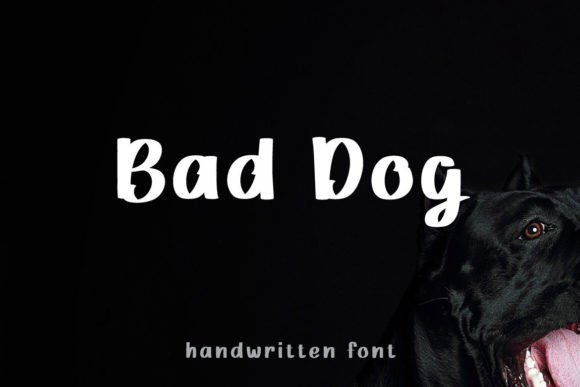
The morning light hits the craft table just right as I open my design software, ready to tackle a new batch of candle labels. For weeks, I had been searching for a typeface that could capture the quirky, slightly rebellious spirit of my new "Midnight Howl" soy wax blend. Standard serifs felt too stiff, and delicate scripts lacked the punch I needed for the packaging. That is when I stumbled upon Bad Dog, a bold and playful comic display typeface from Script Amp that instantly changed the trajectory of my design process. As soon as I typed out the product name, the letters seemed to jump off the screen with a mischievous energy that perfectly matched the brand vibe I was aiming for.
This font is not just a collection of characters; it is a mood setter. Its visual personality is thick, confident, and undeniably fun, making it an ideal choice for eye-catching headlines and creative projects that need to stand out in a crowded marketplace. When working on physical products like tote bags or boutique tags, the weight of the letters ensures that the text remains legible even from a distance. There is a charming irregularity to the strokes that mimics hand-lettering but retains the consistency required for professional packaging design. It brings a touch of mischief to designs without sacrificing readability, which is often the biggest challenge when selecting a display font for commercial use.
Bringing Handmade Labels to Life
One of the most immediate applications I found for Bad Dog was in creating product labels for small-batch goods. Whether you are designing stickers for soap bars, sealing envelopes for a bakery, or creating hang tags for handmade jewelry, the font's robust structure holds up beautifully. I tested it on a variety of materials, from matte vinyl stickers to kraft paper tags, and the results were consistently strong. The thick lines of the typeface prevent ink bleed issues on porous papers, ensuring that every label looks crisp and intentional.
For makers using cutting machines like Cricut or Silhouette, this typeface is a dream to work with. The closed counters and solid forms make it easy to weed vinyl, even for intricate designs or smaller text sizes. I recently used it to create a set of seasonal holiday tags for gift wrapping, pairing the bold letters with simple line drawings of bones and paw prints. The contrast between the heavy font and the delicate illustrations created a balanced composition that felt both modern and nostalgic. It proved that a well-chosen creative font can elevate simple materials into premium-looking merchandise.
Versatility Across Product Lines
Beyond labels, Bad Dog shines in broader branding applications. I experimented with using it for wedding welcome boards, where the playful nature of the font added a relaxed, joyful tone to the event signage. It works exceptionally well for short phrases, names, and titles, making it perfect for decorative wording on mugs, shirts, and printable wall art. However, it is important to remember that as a display font, it is best suited for headlines rather than long body text. Using it for paragraphs can overwhelm the reader, so I recommend pairing it with a clean sans serif font or a simple serif font for any descriptive content on your packaging or digital downloads.
In the realm of digital products, such as planner pages or social media graphics, Bad Dog adds an instant layer of personality. I incorporated it into a set of printable greeting cards designed for birthdays and informal celebrations. The font's comic style evokes a sense of fun that resonates with customers looking for something less formal than traditional stationery. When creating listing images for an online shop, using this font in mockups can significantly boost audience engagement. It signals to potential buyers that the brand is approachable, creative, and full of character, which helps in building a recognizable brand identity.
Design Tips for Maximum Impact
To get the most out of Bad Dog, consider how it interacts with other design elements. Because it has such a strong presence, it pairs wonderfully with handwritten fonts for subheadings, creating a dynamic hierarchy that guides the eye naturally. For example, on a candle label, I used Bad Dog for the scent name and a flowing script for the ingredient list, achieving a look that was both bold and elegant. This kind of font pairing is essential for maintaining visual interest without creating chaos.
Readability is key, especially when scaling designs down for small stickers or product tags. Always test your designs at 100% size before sending them to print or cutting. While Bad Dog is generally clear, extremely small details might get lost on certain textures. If you are designing for web use or digital templates, ensure there is enough whitespace around the text to let the letters breathe. This enhances the perceived quality of the design and prevents the layout from feeling cluttered.
Before launching any product line featuring this font, it is crucial to review the licensing terms provided by Script Amp. Understanding the scope of commercial use ensures that you can confidently sell physical products, templates, and merchandise without legal concerns. Check for included styles, alternates, and multilingual support to see if the font meets your specific project needs. Many modern premium fonts come with ligatures and swashes that can add unique flair to logos and editorial designs, so exploring these features can unlock even more creative possibilities.
Ultimately, incorporating Bad Dog into your toolkit is about more than just choosing letters; it is about infusing your creations with a specific attitude. Whether you are crafting a farmhouse sign, designing a lineup of summer t-shirts, or putting together a festive party invitation, this font offers the versatility and charm needed to make your work memorable. It bridges the gap between professional polish and handmade heart, allowing your true creative voice to shine through in every project you touch.