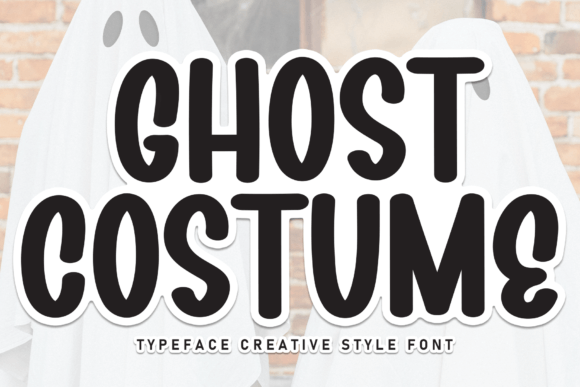
Ghost Costume: A Timeless Handwritten Font for Editorial Design
In the crowded landscape of digital publishing, establishing a distinct visual voice is no longer optional; it is essential. As creators, we constantly juggle the need for readability with the desire for personality. This is where Ghost Costume emerges as a vital tool in our typographic arsenal. Developed by Script Amp, this lovely and timeless handwritten font offers more than just aesthetic appeal; it provides a bridge between professional structure and human warmth. For bloggers, magazine designers, and ebook authors, selecting the right typeface can define the entire reader experience, and Ghost Costume delivers a unique touch that elevates standard layouts into memorable brand identities.
Defining the Visual Personality of Ghost Costume
At its core, Ghost Costume is a display font designed to capture attention without sacrificing elegance. Unlike many script fonts that lean heavily into casual messiness or rigid formalism, this typeface strikes a delicate balance. Its strokes mimic the natural flow of a pen, offering organic variations that feel authentic rather than manufactured. Every letter possesses a unique character, ensuring that words do not look repetitive or mechanical when set in longer headlines.
The "timeless" quality mentioned in its description refers to its versatility across trends. While some handwritten fonts scream of a specific decade, Ghost Costume maintains a classic sensibility that fits equally well in a modern lifestyle blog header or a vintage-inspired wedding guide. This adaptability makes it an excellent choice for editorial design, where the tone must often shift between informative, inspirational, and inviting. When used for branding, it suggests a creator who values craftsmanship and personal connection, traits that resonate deeply with today's audiences.
Strategic Applications in Publishing and Content Creation
The true power of a premium font like Ghost Costume lies in its application. It is not merely a decorative element but a functional component of visual hierarchy. Here is how this creative font can transform various content formats:
- Blog Headers and Article Titles: Use Ghost Costume to break the monotony of standard sans serif navigation. A large, sweeping title in this font immediately signals the start of a narrative, drawing the eye before the reader even processes the first paragraph.
- Ebook Covers and Chapter Openers: For digital products, the cover is your primary sales tool. Ghost Costume adds a layer of sophistication to cookbook titles, self-help guides, or travel journals. Inside the book, using it for chapter headings creates a rhythmic pause, signaling a transition in thought.
- Pull Quotes and Social Graphics: In long-form articles, readers appreciate visual breaks. Extracting a key sentence and styling it with Ghost Costume creates a shareable moment. This technique works exceptionally well for Instagram carousels or Pinterest pins, driving engagement back to your main content.
- Newsletter Branding: Email marketing relies heavily on trust. A handwritten logo or sign-off in your weekly digest feels like a personal note from a friend, increasing open rates and fostering community loyalty.
- Printable Guides and Worksheets: If you create lead magnets or coaching workbooks, Ghost Costume adds a boutique feel to your printable materials. It softens the instructional nature of worksheets, making the learning process feel more approachable and less clinical.
Mastering Font Pairing for Readability
One of the most critical aspects of editorial design is knowing when not to use a script font. Ghost Costume is a display font, meaning it shines in short bursts rather than long passages. Using it for body copy would severely hinder readability, especially on mobile devices or in PDF exports where screen real estate is limited. Instead, its strength is realized through strategic pairing.
For a classic, authoritative look, pair Ghost Costume with a high-contrast serif font for your body text. The sharp edges of a traditional serif complement the fluid curves of the handwriting, creating a dynamic tension that keeps the page interesting. This combination works beautifully for literary magazines or in-depth feature articles.
Alternatively, for a clean, modern aesthetic suitable for tech blogs or minimalist guides, combine it with a geometric sans serif font. The neutrality of the sans serif allows the personality of Ghost Costume to take center stage without competition. This pairing is ideal for captions, navigation menus, and data-heavy sections where clarity is paramount. By restricting Ghost Costume to titles, subtitles, and accent typography, you maintain a clear visual hierarchy that guides the reader effortlessly through your content.
Technical Considerations for Digital and Print
When integrating new design assets into your workflow, technical performance is as important as style. Ghost Costume is optimized for both screen and print, but there are best practices to ensure optimal results. For web design, ensure you are serving the font files in modern formats like WOFF2 to minimize load times. A slow-loading custom font can increase bounce rates, negating the beauty of the typeface.
In terms of legibility, Ghost Costume performs well at larger sizes. However, when scaling down for mobile layouts or small footnotes, test the x-height and spacing carefully. Handwritten fonts can sometimes lose definition at very small point sizes. If you find certain glyphs becoming indistinct on smaller screens, consider switching to your paired body font for those specific elements. Additionally, check the font's included features. Many modern typefaces from foundries like Script Amp include alternates and ligatures that prevent repetitive letter combinations, enhancing the natural handwritten illusion. Utilizing these features ensures your logo design and headers look truly bespoke.
Licensing and Commercial Use
Before launching your next project, it is crucial to understand the licensing terms associated with Ghost Costume. As a commercial font, it typically requires a specific license for different types of usage. If you are creating a free blog post, a standard desktop license may suffice. However, if you are embedding the font in a paid ebook, a downloadable template, a mobile app, or using it for client work such as packaging design or corporate branding, you must verify that your license covers these commercial activities. Respecting intellectual property rights not only protects you legally but also supports the type designers who create the tools we rely on daily.
Ultimately, Ghost Costume represents more than just a set of characters; it is a vehicle for expression. Whether you are designing a recipe card, a course certificate, or a magazine spread, this typeface invites the reader to slow down and engage with your message on a human level. By thoughtfully integrating this timeless handwritten font into your editorial strategy, you elevate your content from simple information delivery to a curated visual experience.